





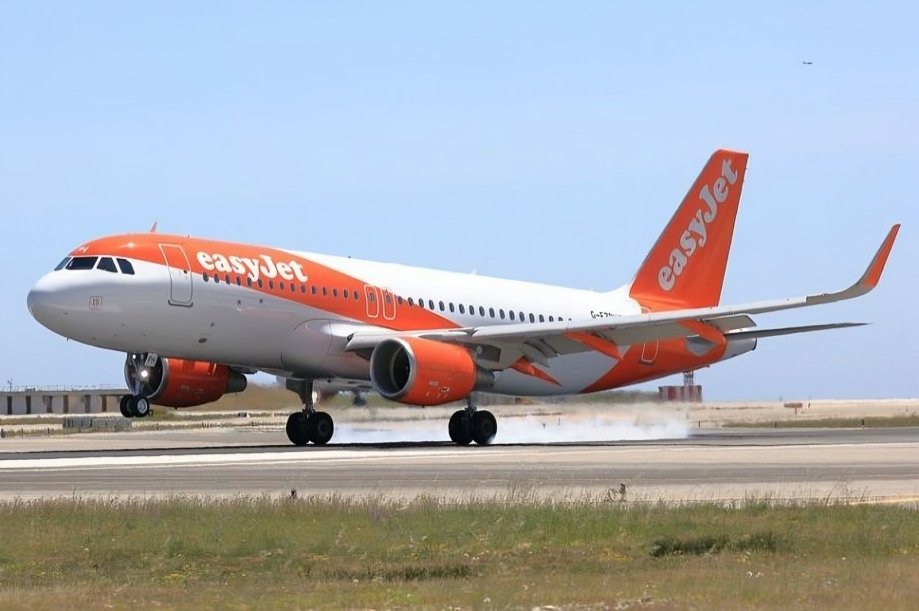
The incident involving easyjet flight u2238 emergency landing newcastle quickly became a major topic among travelers, aviation enthusiasts, and news readers. Emergency landings always attract attention because they involve quick decision-making, strict safety procedures, and the coordination of trained professionals. In this case, the event highlighted how modern aviation systems are designed to prioritize passenger safety above everything else.
Air travel is considered one of the safest forms of transportation in the world, but unexpected technical issues, medical emergencies, or environmental concerns can still force an aircraft to divert from its planned route. The discussion around easyjet flight u238 emergency landing newcastle has raised questions about airline safety protocols, passenger experiences, and how airports respond during urgent situations.
This article explores the details surrounding the incident, explains how emergency landings work, and examines why such events are handled with extreme professionalism. Whether you are a frequent flyer or simply curious about aviation safety, this guide provides a clear and engaging overview.
Understanding the EasyJet Flight U2238 Emergency Landing Newcastle Incident
The phrase easyjet flight u2238 emergency landing newcastle refers to a situation where an EasyJet aircraft was forced to land unexpectedly at Newcastle Airport due to an onboard concern requiring immediate attention. Emergency landings can occur for several reasons, ranging from mechanical warnings to passenger medical emergencies.
In aviation, pilots are trained extensively for these scenarios. When an issue arises, the crew follows strict safety procedures while maintaining communication with air traffic control. During the easyjet flight u2238 emergency landing newcastle situation, the priority would have been ensuring the aircraft landed safely while keeping passengers calm and informed.
Passengers on board often experience stress during emergency situations, but modern commercial aircraft are equipped with advanced safety systems. These systems help pilots assess problems quickly and make informed decisions. The professionalism of the flight crew is one of the key reasons why emergency landings are usually completed safely.
Why Emergency Landings Happen in Commercial Aviation
Emergency landings are uncommon, but they are an essential part of aviation safety planning. The incident involving easyjet flight u2238 emergency landing newcastle reminds travelers that airlines prepare for every possible scenario long before a plane takes off.
Mechanical issues are one of the most common causes of emergency landings. Aircraft are highly sophisticated machines with thousands of components, and even a minor warning can lead pilots to choose caution. In many cases, the issue may not be immediately dangerous, but aviation rules encourage crews to prioritize safety over schedule.
Medical emergencies can also force unexpected landings. If a passenger or crew member requires urgent medical care, the nearest suitable airport may become the safest option. Weather conditions, smoke detection, bird strikes, or cabin pressure concerns are additional reasons an aircraft may divert.
“In aviation, safety decisions are made with caution, not convenience.”
How Pilots Handle Emergency Situations
The handling of easyjet flight u2238 emergency landing newcastle demonstrates the importance of pilot training and cockpit coordination. Commercial pilots undergo regular simulator training where they practice emergency procedures repeatedly under realistic conditions.
When an issue is detected, the crew begins by identifying the problem and reviewing checklists designed for that specific situation. Communication is essential during this process. Pilots coordinate with cabin crew, air traffic control, and airport emergency services to ensure everything is prepared before landing.
Passengers often notice changes in the aircraft’s route or altitude during an emergency situation. While this can feel alarming, these adjustments are part of standard safety procedures. The main objective during the easyjet flight u2238 emergency landing newcastle event would have been to ensure a controlled and stable landing.
The Role of Newcastle Airport During the Incident
Newcastle Airport played an important role in managing the easyjet flight u2238 emergency landing newcastle event. Airports are equipped with emergency response teams that remain ready at all times to support aircraft facing difficulties.
When an emergency landing is declared, fire crews, medical teams, and airport operations staff move into position immediately. This coordinated response ensures that if assistance is required after touchdown, it can be delivered without delay.
Newcastle Airport’s preparedness reflects the high standards maintained across modern airports. Every major airport regularly conducts emergency drills to test response times and communication systems. Events like easyjet flight u2238 emergency landing newcastle demonstrate why these preparations are so important.
Passenger Experience During an Emergency Landing
For passengers, an emergency landing can be stressful and emotional. During the easyjet flight u2238 emergency landing newcastle situation, many travelers likely experienced uncertainty as the crew handled the situation.
Cabin crew members are specially trained to manage passenger safety and maintain calm during emergencies. They provide instructions, monitor cabin conditions, and prepare travelers for landing if necessary. Their communication style is designed to reduce panic and create confidence.
Most emergency landings end safely without injuries, which highlights the effectiveness of airline procedures. Although the phrase “emergency landing” sounds dramatic, it often reflects precautionary action rather than immediate danger.
Aviation Safety Standards and Airline Protocols
The discussion around easyjet flight u2238 emergency landing newcastle also shines a spotlight on the strict safety standards followed by airlines. Commercial aviation is heavily regulated, with aircraft undergoing regular inspections and maintenance checks.
Airlines like EasyJet operate under international aviation regulations that require constant monitoring of aircraft performance. Pilots, engineers, and maintenance teams work together to identify and resolve potential issues before they become serious problems.
These safety systems are one reason air travel remains statistically safer than road transportation. The easyjet flight u238 emergency landing newcastle incident highlights how safety-first decision-making protects passengers even during unexpected situations.
Table: Common Reasons for Emergency Landings
| Cause of Emergency Landing | Description | Typical Response |
|---|---|---|
| Mechanical Warning | Technical issue detected in aircraft systems | Immediate inspection and precautionary landing |
| Medical Emergency | Passenger or crew member requires urgent care | Diversion to nearest suitable airport |
| Cabin Pressure Issue | Changes in cabin air pressure | Controlled descent and emergency procedures |
| Smoke or Fire Alert | Detection of smoke in cabin or cockpit | Rapid landing and emergency response |
| Severe Weather | Dangerous flying conditions | Route diversion or precautionary landing |
Media Attention and Public Reactions
Incidents such as easyjet flight u2238 emergency landing newcastle often generate significant online attention. Social media platforms quickly spread updates, photos, and passenger reactions, sometimes before official statements are released.
Public reactions are usually a mix of concern and curiosity. Many travelers want reassurance about airline safety, while aviation enthusiasts often analyze the technical details of the event. News coverage can sometimes exaggerate the severity of incidents, which is why official airline updates are important sources of information.
The visibility of events like easyjet flight u238 emergency landing newcastle also reminds airlines of the importance of clear communication. Timely updates help reduce speculation and maintain passenger trust.
Lessons Travelers Can Learn from the Incident
One important takeaway from easyjet flight u2238 emergency landing newcastle is the value of paying attention to safety instructions before takeoff. Although many passengers overlook these briefings, they provide useful information during unexpected situations.
Travelers can also learn the importance of staying calm. Emergency procedures are designed carefully, and airline crews are highly trained professionals. Following instructions from cabin crew members significantly improves safety outcomes.
Another lesson is that emergency landings are usually precautionary measures rather than signs of disaster. Pilots are encouraged to act conservatively when any issue arises, which is a key reason aviation maintains its strong safety record.
The Future of Airline Safety and Technology
Modern aircraft technology continues to evolve, making incidents like easyjet flight u238 emergency landing newcastle even safer to manage. Advanced monitoring systems can detect problems earlier than ever before, giving pilots more time to respond.
Artificial intelligence and predictive maintenance tools are also becoming more common in aviation. These technologies help airlines identify mechanical issues before they affect operations. As a result, emergency landings may become even less frequent in the future.
Passenger communication systems are improving as well. Airlines are increasingly focused on providing real-time updates during unexpected situations, helping travelers feel more informed and secure.
Conclusion
The event involving easyjet flight u2238 emergency landing newcastle serves as an important reminder of how seriously the aviation industry takes passenger safety. While emergency landings can sound alarming, they are often examples of systems working exactly as intended.
From pilot training and airport coordination to advanced aircraft technology, every part of the aviation process is built around minimizing risk. The professionalism shown during the easyjet flight u238 emergency landing newcastle incident highlights why commercial aviation remains one of the safest ways to travel.
Understanding how these situations are managed can help passengers feel more confident when flying. Safety procedures, emergency planning, and experienced crews ensure that even unexpected events are handled with care and precision.
FAQ Section
What caused the easyjet flight u2238 emergency landing newcastle incident?
The exact reason behind easyjet flight u238 emergency landing newcastle may involve technical, operational, or medical concerns, as emergency landings are typically made as a precautionary safety measure.
Was anyone injured during easyjet flight u2238 emergency landing newcastle?
Most reports involving emergency landings, including easyjet flight u238 emergency landing newcastle, focus on safe passenger evacuation and precautionary procedures rather than injuries.
How common are emergency landings in commercial aviation?
Emergency landings are relatively rare. Incidents like easyjet flight u238 emergency landing newcastle receive attention because airlines prioritize caution whenever potential risks are detected.
Why do pilots choose emergency landings even for small issues?
Pilots follow strict safety regulations. During events such as easyjet flight u2238 emergency landing newcastle, even minor concerns may lead to precautionary landings to ensure passenger safety.
Is flying still safe after incidents like easyjet flight u2238 emergency landing newcastle?
Yes, commercial aviation remains extremely safe. The handling of easyjet flight u238 emergency landing newcastle demonstrates how effective airline safety systems and pilot training are in protecting passengers.